
Born as a Bouvier, married into the Kennedy family and later Onassis, Jacqueline has been recognized worldwide after her marriage to the former USA President, John F. Kennedy. As the First Lady, she played a significant role in world history by employing her intelligence and charisma.
Depending on the preceding administration, the temperament of the President, the public’s perception, and several other factors, every First Lady inherits a unique situation that she must handle. So did Jacqueline Kennedy. She was a fiercely charismatic person who was married to a flamboyant President. Neither her marriage nor her job was easy, yet she chose to stay, conducted herself intelligently and gracefully and championed diplomacy.
I recently read “My Travels with Mrs. Kennedy” (Book) authored by Clint Hill, a former Secret Service agent in charge of her security, which gave me an intimate introduction to Mrs. Kennedy through the author’s perspective as he protected her during public and private occasions.
when you travel with someone – particularly in foreign countries – you experience things that can’t be fully appreciated by anyone who wasn’t there.
Clint Hill
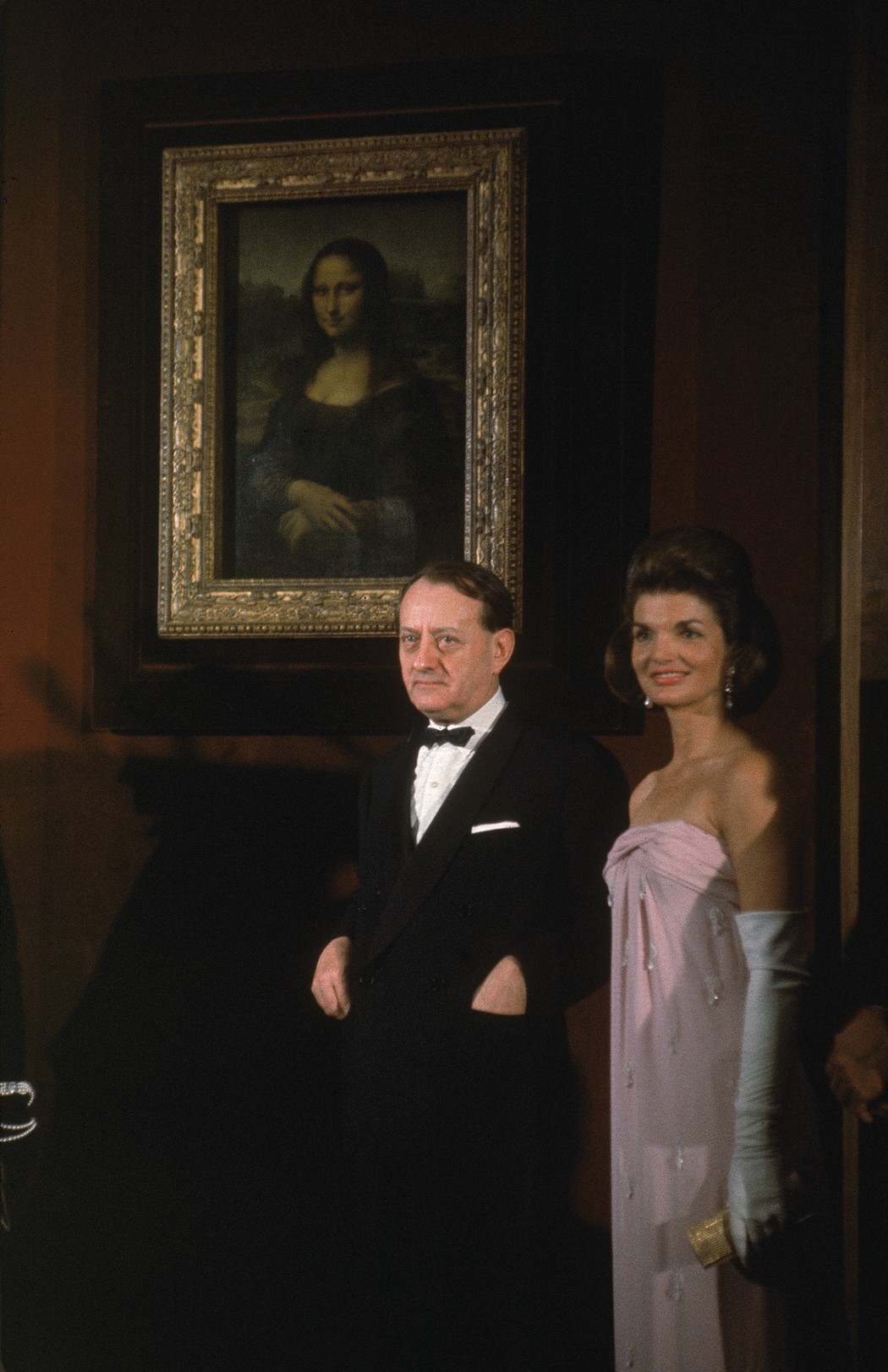
The Book starts with John and Jacqueline’s historic trip to Paris in 1961, where Mrs. Kennedy played an instrumental role in building lasting diplomatic relations with France. She received an extraordinarily warm reception – crowds clamoured wherever she went and chanted “Vive le président Kennedy!” and “Vive Jac-qui!” This prompted President Kennedy to remark:
I am the man who accompanied Jacqueline Kennedy to Paris, and I have enjoyed it
John F. Kennedy
By capitalizing on her razor-sharp wit and mesmerizing beauty, she even managed a special exhibit of France’s most celebrated artworks in the USA, like – Leonardo da Vinci’s Mona Lisa.
It was not the transatlantic logistical aspect that made this a historic event; it was the significance of this painting in France and the backdrop of the Cold War and nuclear armament. The willingness of France to loan their most celebrated art to the USA was symbolic of their developing confidence in each other and furthering their peace partnership.
Within one year of becoming the First Lady, she had gained the administration’s confidence. She undertook many initiatives with lasting impact, such as restoring the artistic and architectural history of the White House. One can find more about these initiatives here.
The Book does not detail her initiatives but focuses on what Mrs. Kennedy was really like. It is an intimate travelogue of her official trips to Rome, India, Pakistan, London, Latin America, and Italy, where she was welcomed with pageantry. She was an avid reader and read extensively about countries prior to her visit. She genuinely wanted to learn about the countries, the people and their cultures and made efforts to mingle with them; her sincerity was recognized and reciprocated. With each trip, she built crucial diplomatic relations for the USA.
Just by being herself and showing her sincere interest in the people of Pakistan, Mrs. Kennedy was more effective than any ambassador or diplomatic relations policy had been before or since in creating goodwill between our two countries. And while she was genuinely interested, kind, and thoughtful, diplomacy was not the issue at the top of her mind.
Clint Hill
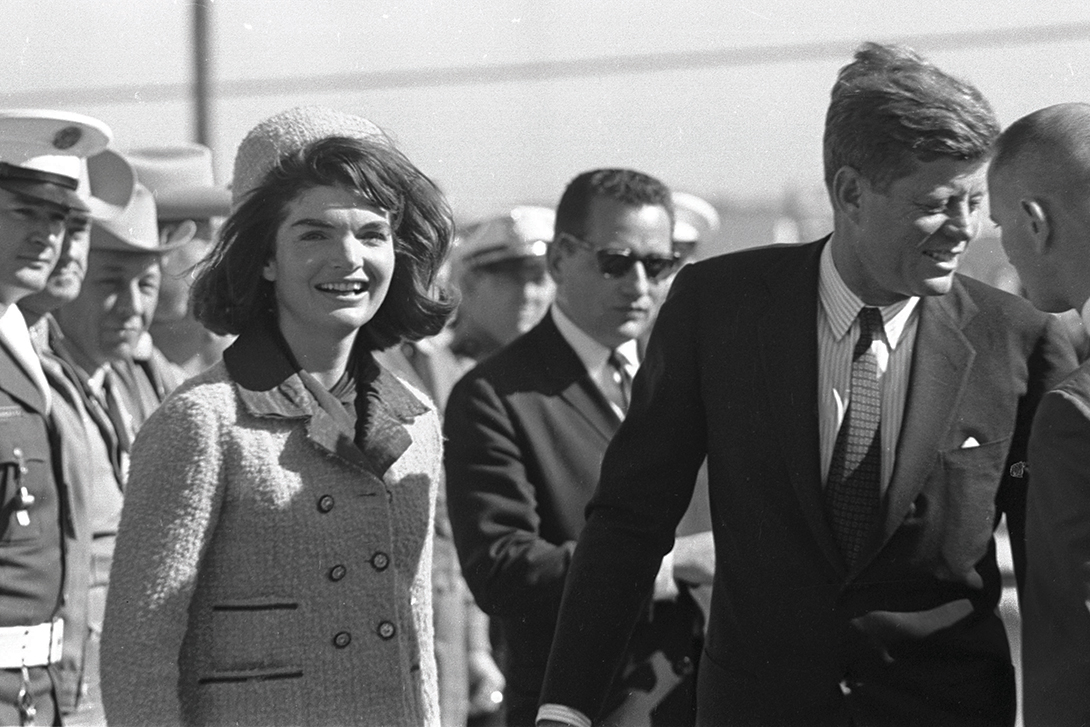
Mrs. Kennedy exhibited exceptional bravery after the assassination of her husband’s political assassination in 1963 in Texas. She escorted him in her blood-stained clothes to the White House, was present during the in-flight oath-taking of President Lyndon B. Johnson, planned his funeral, exited her White House residence and found a new place to live. In a matter of seconds, she lost her husband, her home and her job, and yet she carries herself with strength and grace.
She focused on preserving her husband’s heritage during such a difficult time. Her last act as the First Lady was her letter to Chairman Khrushchev to further solidify her husband’s peace initiatives, where she truly demonstrated her devotion to her duties, belief in her husband, and that she was a true champion of diplomacy. She continued her efforts to preserve American heritage and promote culture.
Jacqueline Kennedy remained a devoted mother and did an impossible balancing act of properly raising her children and carrying out her public duties right. She treated people respectfully, and the Book is filled with heartwarming anecdotes. I enjoyed reading about her special bond with Clint Hill; they intuitively understood each other. She understood Mr. Hill’s devotion to his job and how his responsibilities warranted he spend most of his time protecting Mrs. Kennedy and her family instead of being with his own. She continued to show her appreciation in different ways. My favourite anecdote is from a 1964 visit to London when she ensured Clint Hill stayed at Buckingham Palace as Prince Radziwill’s guest instead of at a hotel.
Whether she was soothing a nation grieving for a former president, or raising the children with the care and privacy they deserve, or simply being a good friend, she seems always to do the right thing, in the right way.
Bill Clinton
In the Book’s penultimate chapter, the co-author, Lisa McCubbin Hill, asks Mr. Hill, “Were you in love with her?”. I don’t know about him, but I am enamoured by the beautiful, brilliant, brave Jacqueline Bouvier Kennedy Onassis. The JFK assassination often overshadows her exuberance and contribution to world history. This Book is a tribute to her, and reading about her has expanded my understanding of strength and leadership.

 Contemporology
Lovely! I loved it!
LikeLike
Bold and Beautiful
Impressed !!
LikeLike
Good (important)write up.
LikeLike