Introduction
As an immigrant to Canada with a deep interest in environmental protection, I first came to know of Catherine McKenna through the mistreatment she faced in public life, rather than through her many contributions to Canadian and global politics. Ms. McKenna is a former lawyer, diplomat, and Canada’s former Minister of Environment and Climate Change. She is also known for describing herself as a lifelong “stubborn climate optimist.” This blog post focuses on the gender-based violence and harassment she experienced during her time in public office. If this topic may be triggering for you, please take care while reading.
Meeting Catherine McKenna
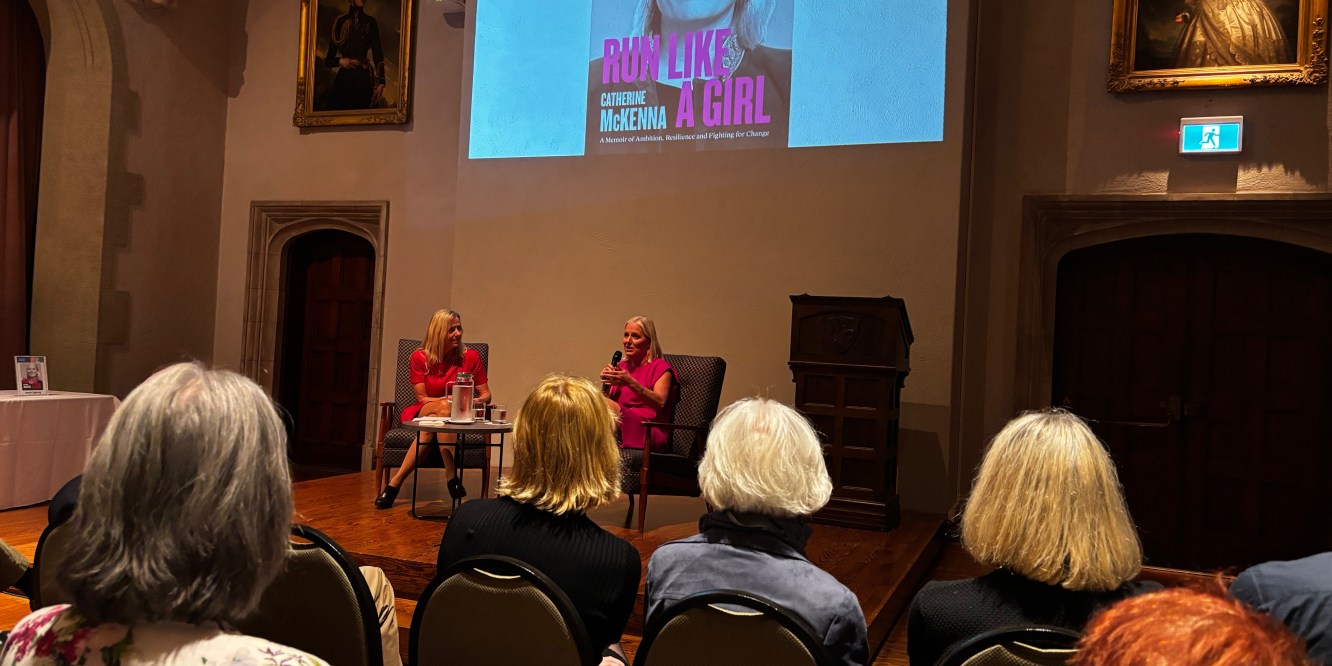
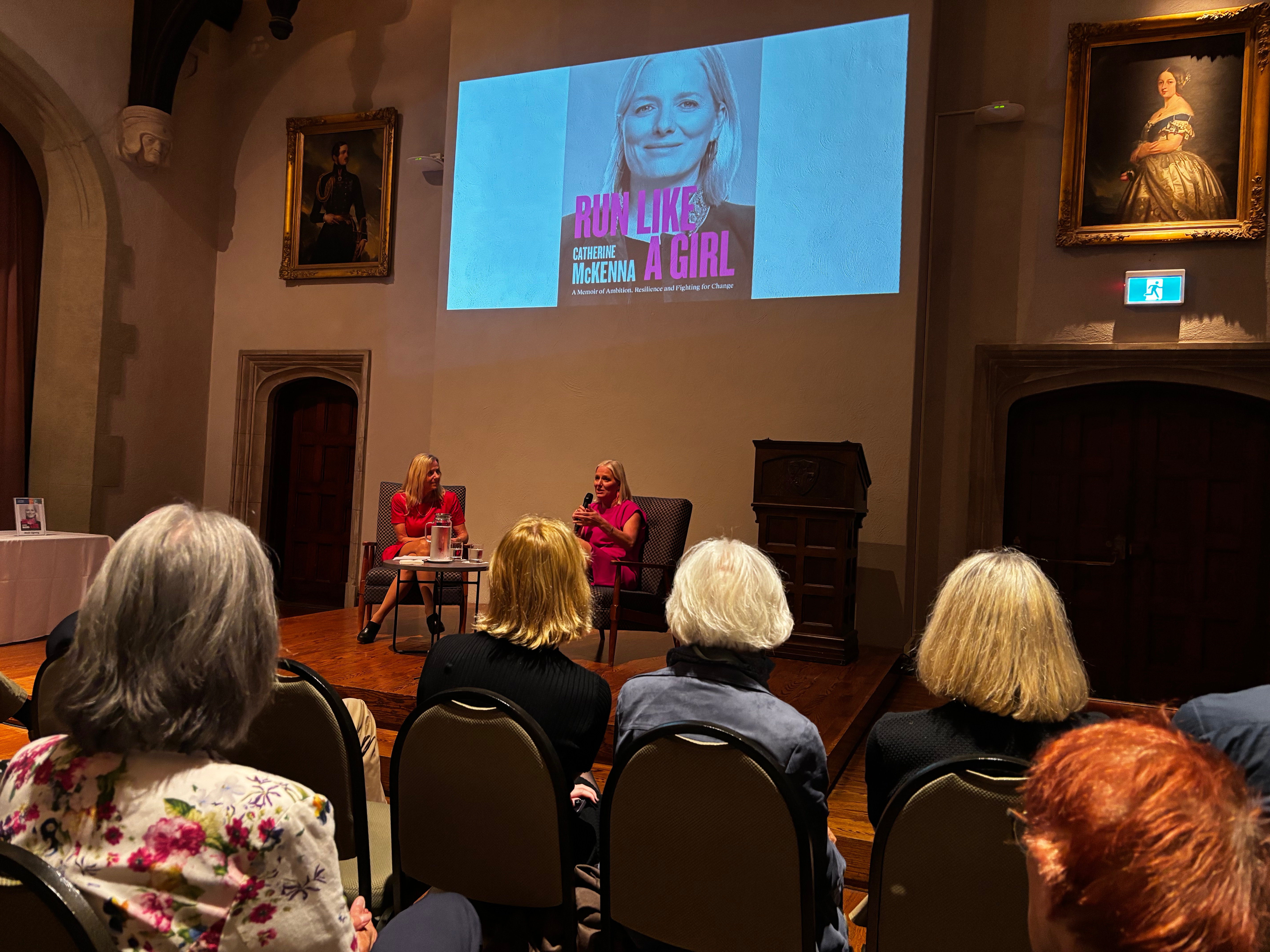
Despite her lofty achievements, she was increasingly subjected to unnecessary hate and at one instance infamously called “Climate Barbie.” In my mind, it’s a compliment, especially after Greta Gerwig’s Barbie (2023) movie, but it wasn’t the case in 2017. Similar attacks continued throughout her career until she quit politics. When I heard about the book release of her memoir – Run Like A Girl, happening in my city, I knew I had to go.
Getting to know her
Her book is filled with photographs, which makes it feel approachable rather than intimidating. It begins with her family heritage, offering readers a glimpse into the environment that shaped her. Ms. McKenna has a natural gift for storytelling. Even when she touches on difficult subjects, her writing keeps the reader engaged. I especially enjoyed the way she described her father. The warmth and admiration in those passages almost make you wish you could have met him yourself.
From an early age, her father encouraged her to debate ideas, weigh pros and cons, form opinions, and articulate them clearly. These are skills that often take years to develop, yet Ms. McKenna was introduced to them very early in life. It is easy to see how such an upbringing helped shape her confidence and clarity in public life.
For those who may not know, Ms. McKenna is also an avid swimmer, and she mentions it frequently throughout the book. During her book launch, she joked about how often swimming appears in her stories, and noted that some of her friends tease her about it. I appreciated the humour in that moment, but I also understand why swimming appears so often in her narrative. Sport demands discipline, resilience, and perseverance. Like many athletes, she turned to swimming during some of the most challenging periods of her life.
Reading this made me reflect on a pattern I often notice among strong individuals. Many of them are athletes at heart. The discipline and endurance developed through sport seem to shape the way they confront adversity.
Her life as a politician
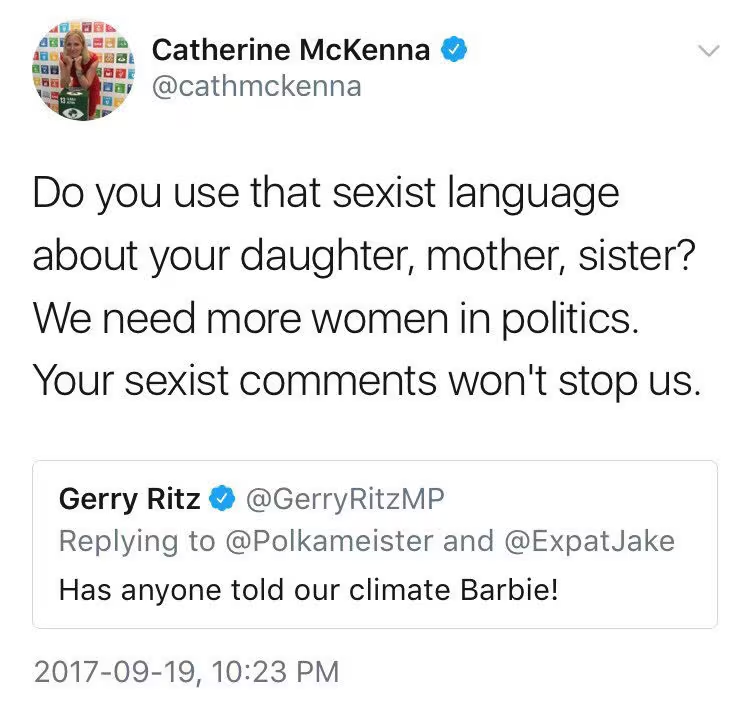
Public life always comes with its share of slings and arrows, but Catherine McKenna endured a barrage that was unmistakably gendered. Before entering Parliament, and throughout her time in office, she faced hurdles that continue to deter many women from pursuing political life. Her experience shows that even extraordinary resilience has limits. Despite her ability to thrive in difficult circumstances, the relentless violence and harassment she endured ultimately contributed to her decision to step away from federal politics. Her story highlights that gender-based harassment is not merely an unpleasant aspect of public life. It is a real and persistent barrier to women’s participation at all levels of government, and it poses a direct threat to a healthy democracy.
Women who have had similar experiences often choose not to speak about them, in part because there are few effective mechanisms to support them. By bringing this issue to discussion on an international stage, Ms. McKenna continues her service to the professional development of political life. She has become a strong advocate for women in politics and for greater civility in public discourse.
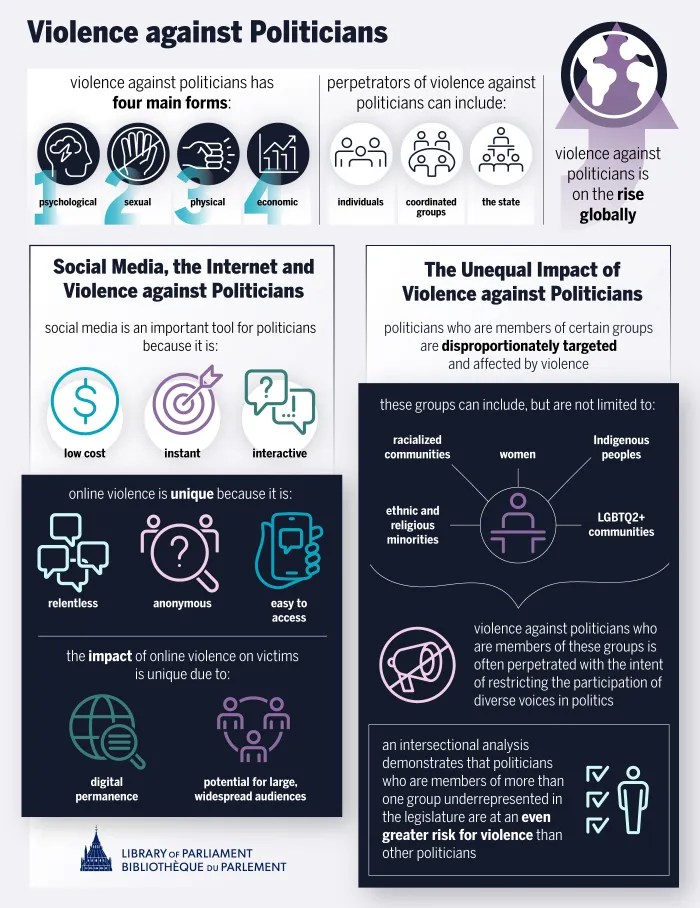
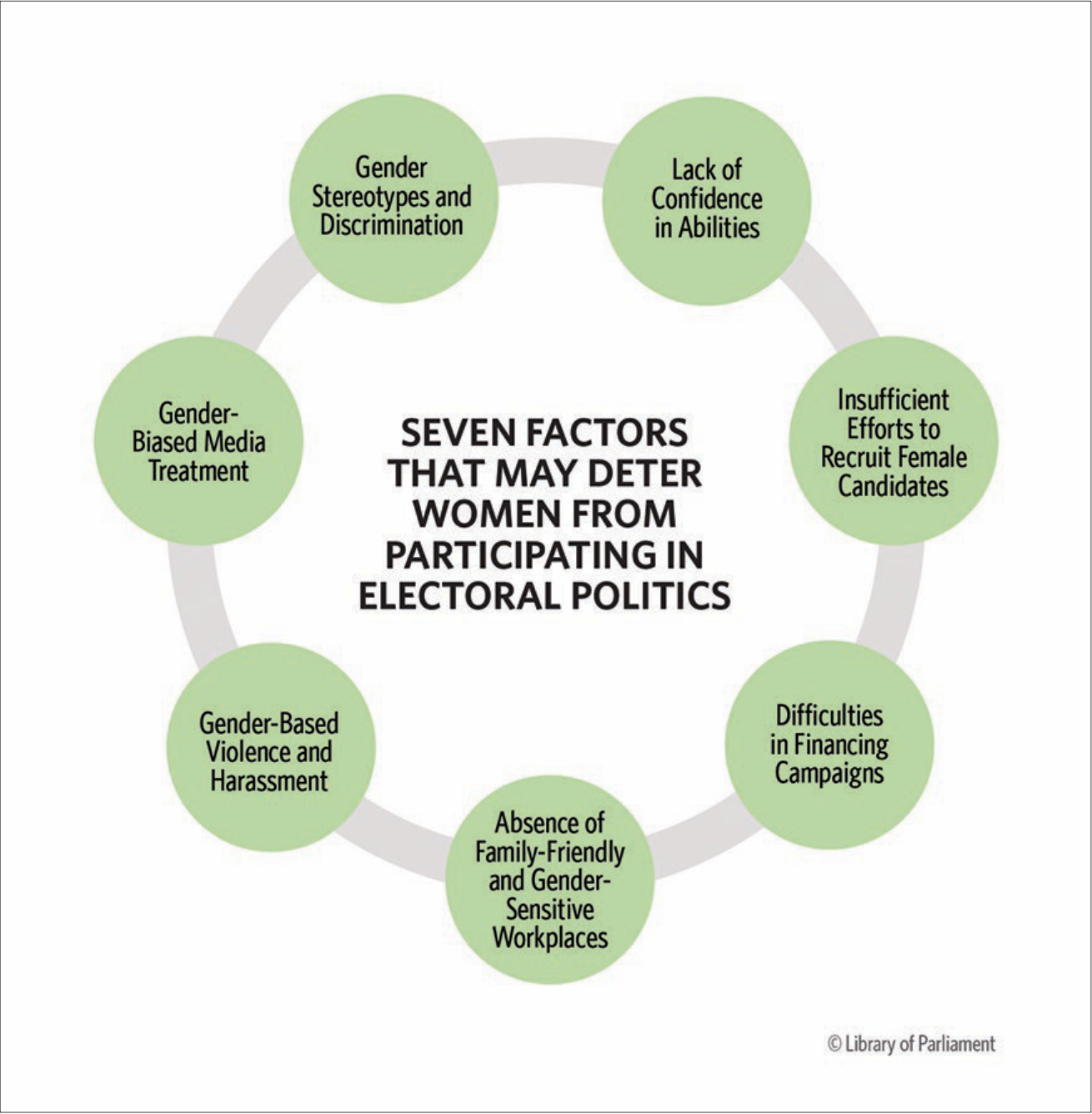
Politicians constantly engage in public discourse, often exposing themselves to public discontent and the actions that follow from it. While statutory protections and security protocols exist to protect them, in practice these measures rarely create sufficient deterrence for those who engage in harassment or threats. As a result, politicians and their families often bear the invisible cost to their mental health, while the public bears the financial cost of increased security. Many politicians, and women in particular, ultimately step away from public life because of these pressures. As a nation, we must recognize that uncivil behaviour is neither skillful nor constructive. It is costly, corrosive to democracy, and ultimately ineffective.
As a nation, we must recognize that uncivil behaviour is neither skillful nor constructive. It is costly, corrosive to democracy, and ultimately ineffective.
Numerous studies have shown that women politicians are disproportionately affected by uncivil behaviour. In many ways, such hostility sends a broader message of deterrence to women considering political careers. This pattern is not unique to politics. Similar dynamics are present in many workplaces where women in positions of authority face disproportionate scrutiny, hostility, and harassment.
While the Government of Canada introduced Bill C-65, An Act to amend the Canada Labour Code (harassment and violence), the Parliamentary Employment and Staff Relations Act and the Budget Implementation Act, 2017, No. 1 to “ensure that federally regulated workplaces, including Parliament, are free from sexual harassment and violence”, these mechanisms must continue to evolve. They need to be multifaceted and strong enough to deter misconduct, identify wrongdoing, and hold third parties accountable for attacks against public officials. Strengthening such protections is essential if political careers are to remain attractive and accessible to future aspirants, especially women.
Despite these safeguards, the responsibility to foster a safe and respectful political arena ultimately rests with everyone involved in it, regardless of their beliefs, affiliations, or gender. Those who participate in public discourse must recognize their role in setting the tone of that discourse. A political culture grounded in civility and respect is essential if public life is to remain both meritorious and welcoming to those who wish to serve.
Ms. McKenna and her music
When I finally met Ms. McKenna at her book signing, I introduced myself, shared my enthusiasm for environmental protection, and somehow ended up getting a little giggly. She told me to remember to be happy and to dance sometimes. I returned home with a signed copy of her book, still trying to make sense of her message, but with a noticeable spring in my step.
While reading the book, I noticed that she mentioned several songs she listened to during different phases of her life. That is when it clicked for me. She had been sharing something that brought her joy and helped sustain her through different moments in her journey.
Since then, I have created a playlist of her favourite songs on Spotify and listen to them on my way to work.
Ms. McKenna, if you happen to read this one day, I would love to hear more song recommendations.

 Contemporology