Environmental conflicts are increasingly becoming an important part of our lives in the form of spike in illnesses, natural resource scarcity, pollution and natural disasters. The price is paid dearly by the marginalized human population and wildlife. The long-term solution to most environmental issue is sustainable development, the middle path.
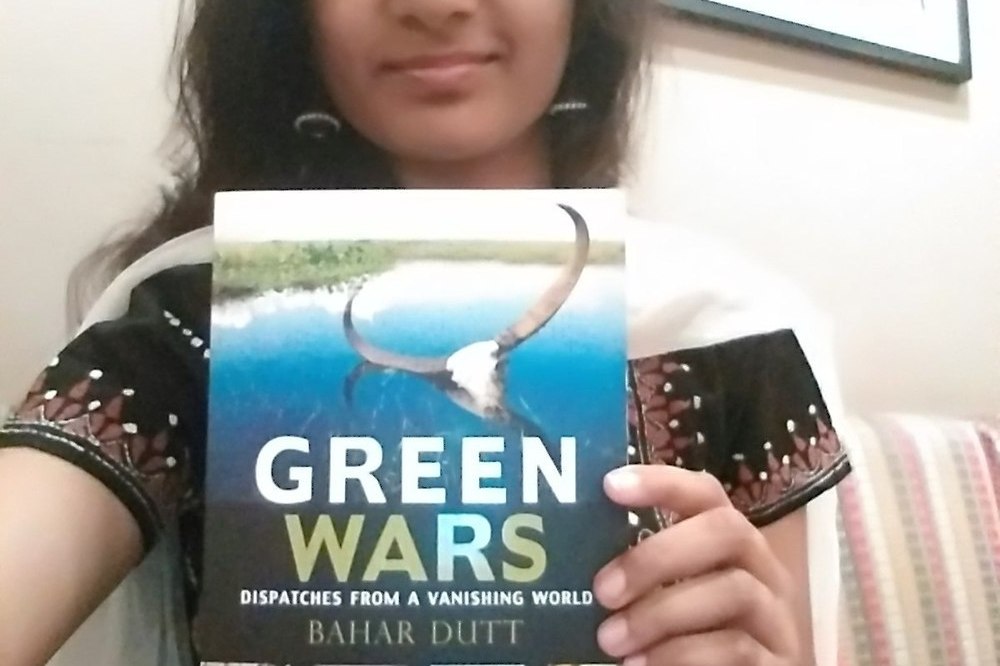
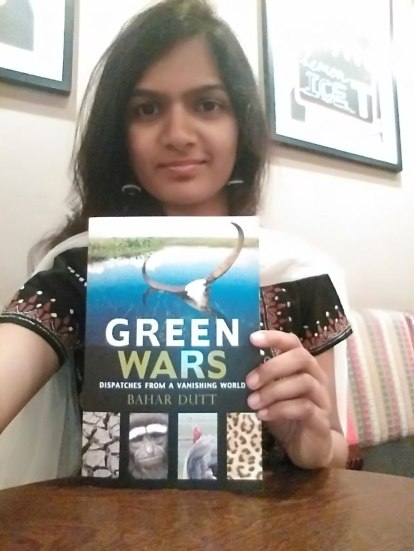
Bahar Dutt’s book Green Wars provides an insight into her experiences as an environmental journalist and argues sustainable development is possible.
Questions addressed in the book
Q. What is sustainable development?
As defined by the Brundtland commission, 1987 – “Development that meets the needs and aspirations of the present without compromising the ability of future generations to meet their own needs”
For example, when we have to construct something near an ecologically sensitive area, we do it without effecting or with the least possible effect on the local communities and the natural environment.
Q. Why should I care if an animal becomes extinct?
Extinction is an environmental phenomenon which occurs due to various factors. It is widely believed that we are going through the sixth mass extinction (yes, this has happened five times before, the last one 65 million years ago, when dinosaurs became extinct). We are going through the Anthropogenic mass extinction (it’s called so because we humans are the main cause). The current extinction rates are thousand times higher than they would be had humans weren’t in the picture (Science Journal says so).
So why do I care? This question doesn’t have a simple answer. The reason being, each animal or species affects us in a unique way. For example, the Vultures of India are becoming extinct (the reason is debatable). Vultures are scavengers and they do the vital task of cleaning up to ten million camel, buffalo and cow carcasses in a year. You can call them janitors, cleaning workers, safai karamchari, etc but remember they work for free! The Parsi community who expose their dead to the ‘tower of silence’ are also affected by Vulture extinction. Why? Aren’t there any other scavengers? The answer is, if they don’t eat it, the dogs and rats will. But, vultures are not only scavengers but also play an important role in containing various diseases and prevent it from spreading to other animals. It’s their special quality not every animal can do that. So if Vultures disappear, dogs and rats will eat the carcasses and this will lead to the rise of other scavengers who can’t contain diseases and that will ultimately lead to rise of incidences of Rabies and Anthrax.
Likewise, every animal or species affects us in a unique way. And once an animal or species becomes extinct, there is no way of bringing them back. Just so you know, there is this principle in Environment, the more diverse the environment, the more stable it is; the less diverse the environment the more vulnerable it is.
Q. What is human-animal conflict?
With the increasing population and the simultaneous increase in needs of the people, and the consequential increasing dependence on natural resources has lead to human-animal conflict. The increasing demand has lead to things such as building of dams, mining, clearing land for irrigation, making highways and railways, etc because of which forests are shrinking.
When forests shrink, it becomes less spacious for the plants and animals living in it. It’s the same as a family shifting from a bungalow to a 2 bedroom apartment. The family members used to their private space are left with much less space and they go to their neighbor’s house or the common parks nearby etc. Likewise, animals visit us in schools and human residential areas, attack farmers, cattle, etc.
This being in conflict with the so called ‘human interest’ is human animal conflict. It is considered to be the leading and most comprehensive environmental concerns.
Q. When we have all the Environmental laws, what’s the problem?
It’s execution. Often colored by political ambitions.
For any Law to function, in any (or most) countries in the World, there should be Rule of Law and not Rule of Man or Role of Money, etc. Rule of Law is like being principle centered. Meaning, The Rule (Law) has the supreme power. Now, that’s clearly theoretical because all the rules are ultimately executed by us, human beings. So if any country isn’t governed by Rule of Law, the laws are just ‘something’ written on a paper. It means nothing. Such is the case of Environmental laws in India.
Q. Does everyone love Wild animals and to what extent?
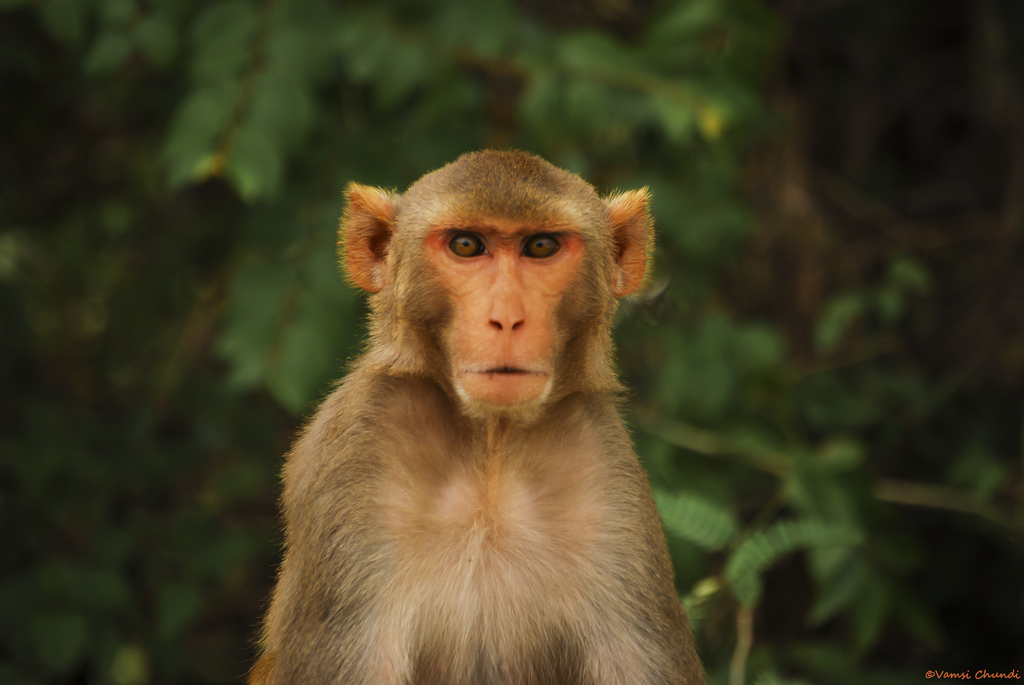
As I mentioned earlier, we all love nature, but its extent and degree varies. The issue I want to point out here is, wherever there is human-animal conflict people start to dislike wild animal’s presence in the vicinity or their proximity. This ultimately leads to violence from both the sides. ( Remember the last time a Snake or a Monkey dropped by for snacks?)
This is where we need to understand that a forest in their home and if we destroy it and reduce its size, we are increasing the chances of human-animal conflict and also risking our lives and much more.
Maybe it’s also the time to show some more love and respect for the environment we live in; and clicking selfies and clicking pictures and uploading on Instagram and Facebook doesn’t count. How about refraining from throwing chocolate wrappers, etc on the roads/parks/ etc. Birds confuse them with food, eat them and die! Tell about it to people around you. Persuade them to not do it again.
Q. What’s the role of religion in environment?
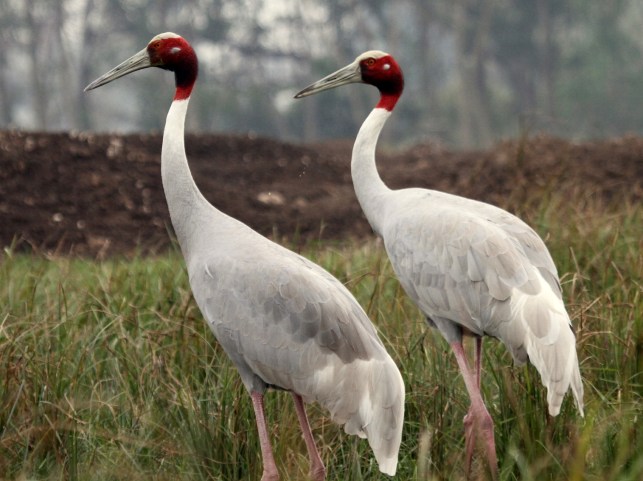
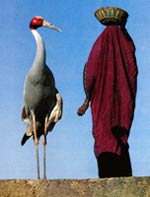
This is one very interesting thing I’ve learnt from this book. Religion and Indian environment have a connection. For instance, Sarus Crane, the state bird of Uttar Pradesh is sometimes a nuisance from the farmer’s perspective because they damage their crops, yet the farmers tolerate them and ignore all the damage because in Hindu mythology it has some importance.
I think animals which people find cute or are worshipped or are starred in a cult movie have better chance of survival. But this argument is also valid to an extent only as the river Ganga, which is also Indian’s National River and considered so pious is also one of the most polluted rivers.
The Book
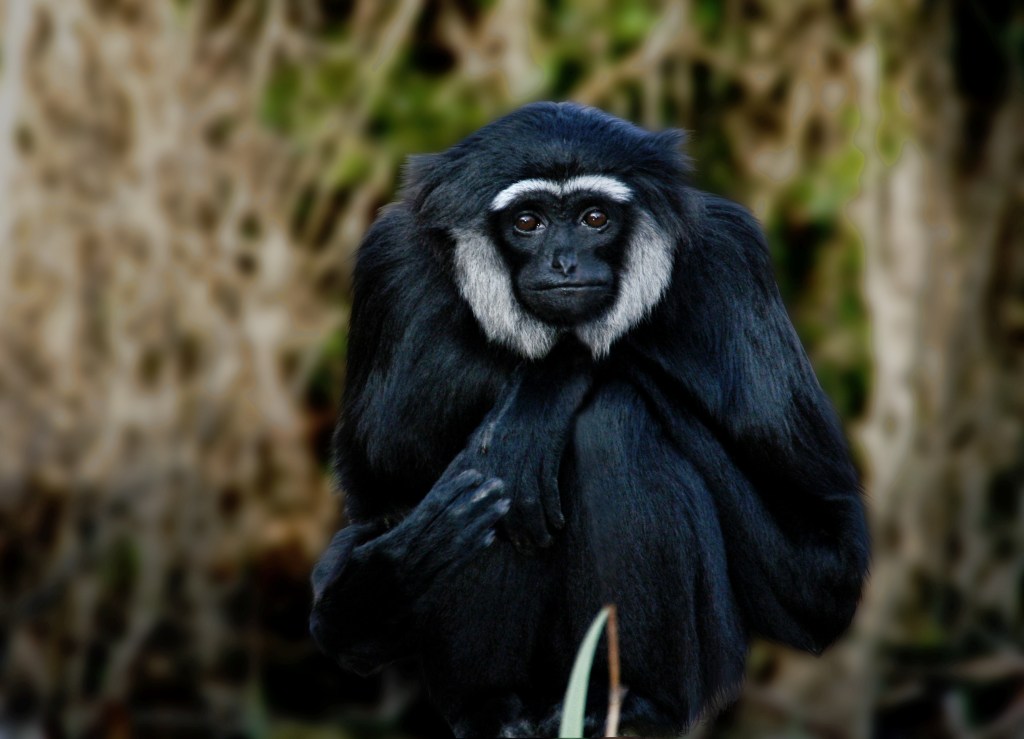
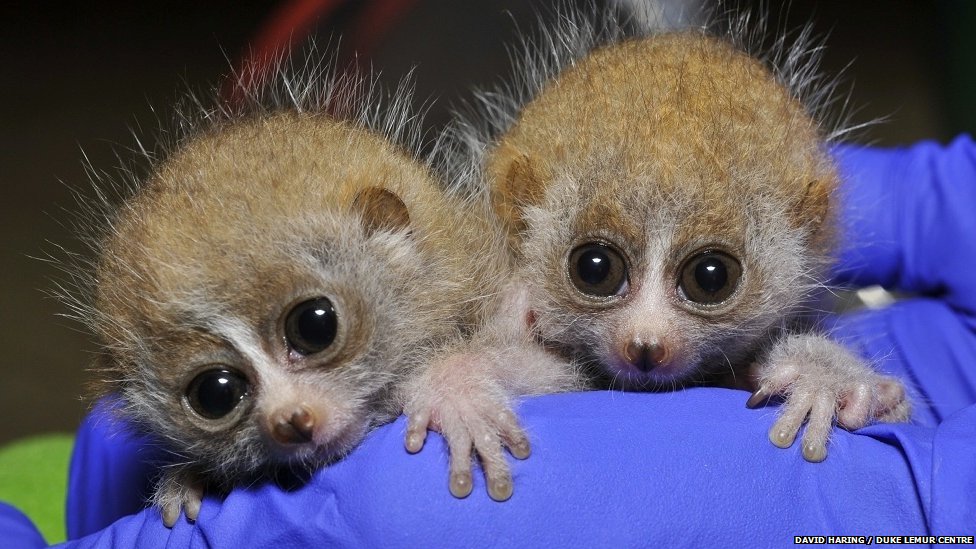
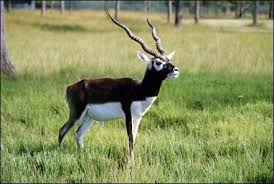
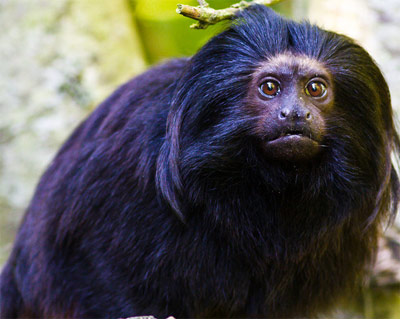
Bahar Dutt has written about the ground reality. There are many books which academically analyses environmental issues and laws, but what actually happen at the ground level is usually hazy. This book has twelve chapters ( real stories); each of them covers a different aspect of Environment. This work is an inspiring reflection of the author’s dedication and passion for environment. The book also introduces the reader to a number of wild animals and a lot of interesting things about them. For example, Hoolock Gibbon is also know by the locals as the dukhi bandar (sad monkey) because of its expression. So I have decided to call that one friend who is always upset about something – Hoolock Gibbon!
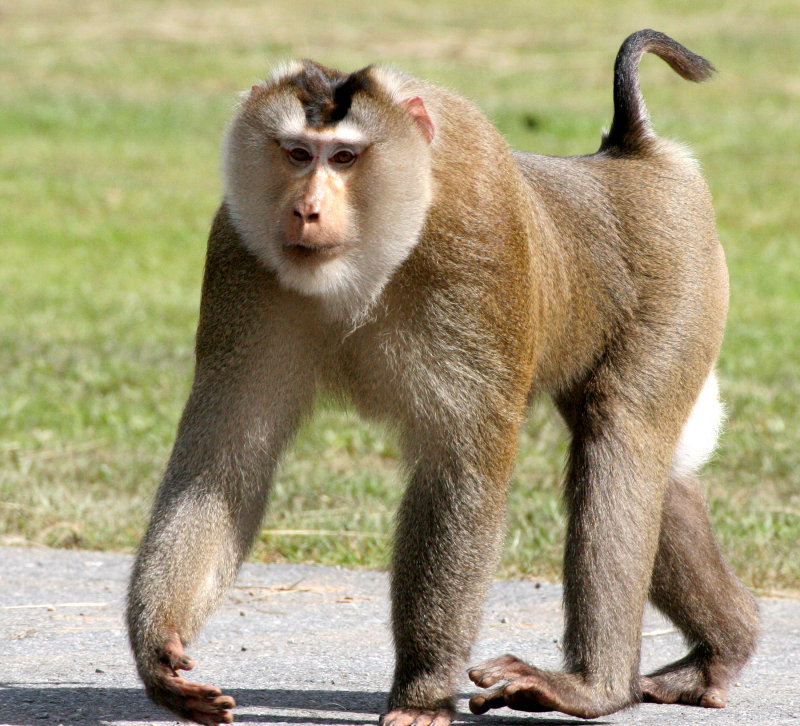
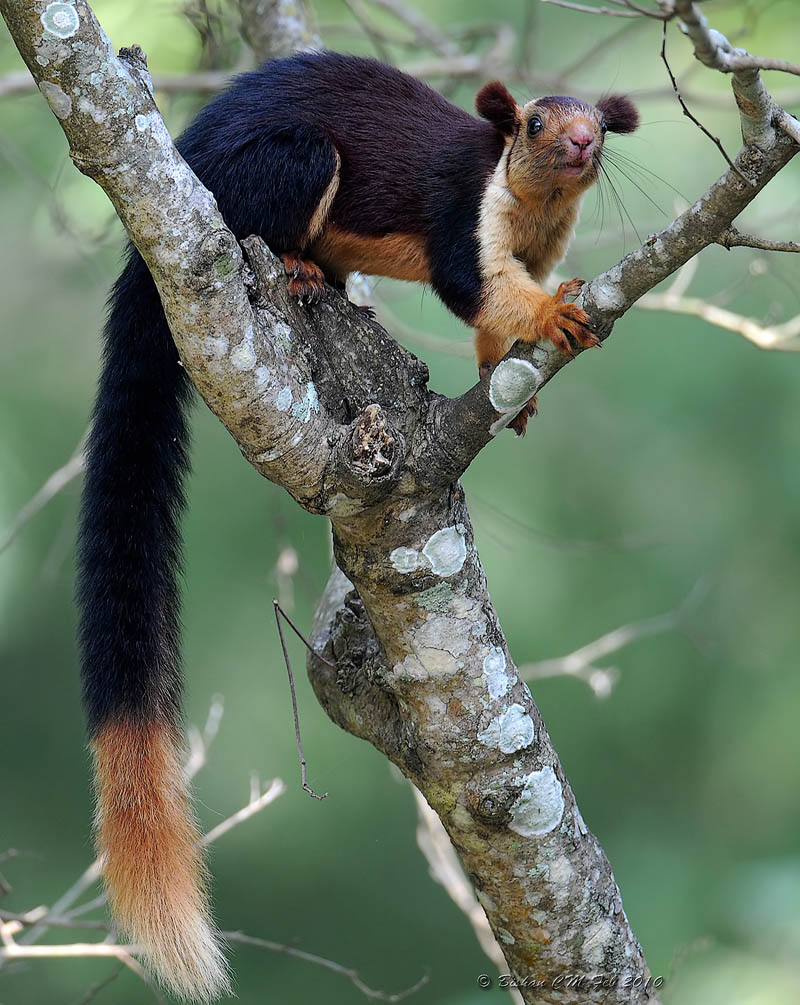
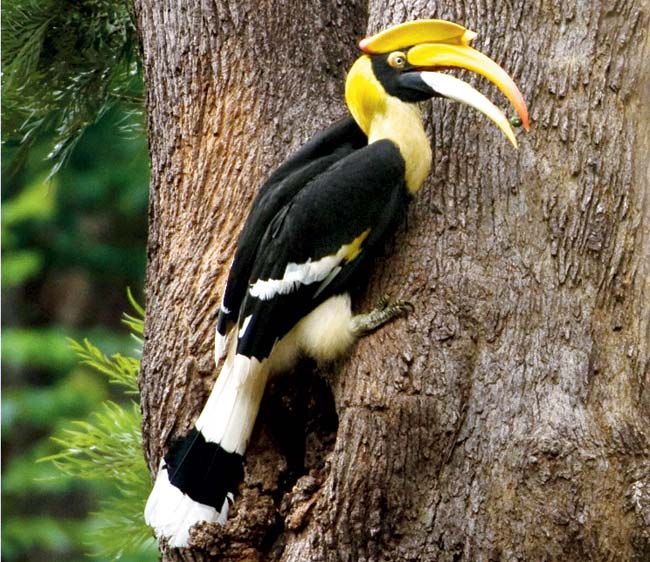
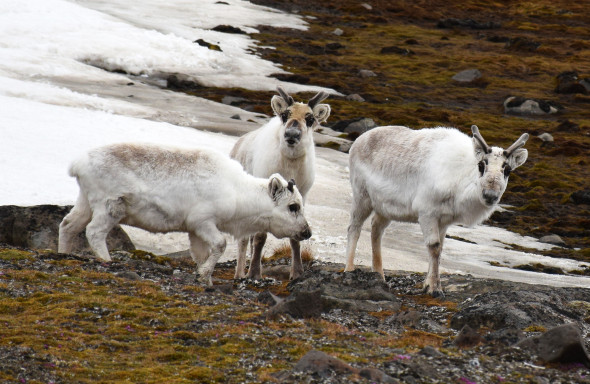
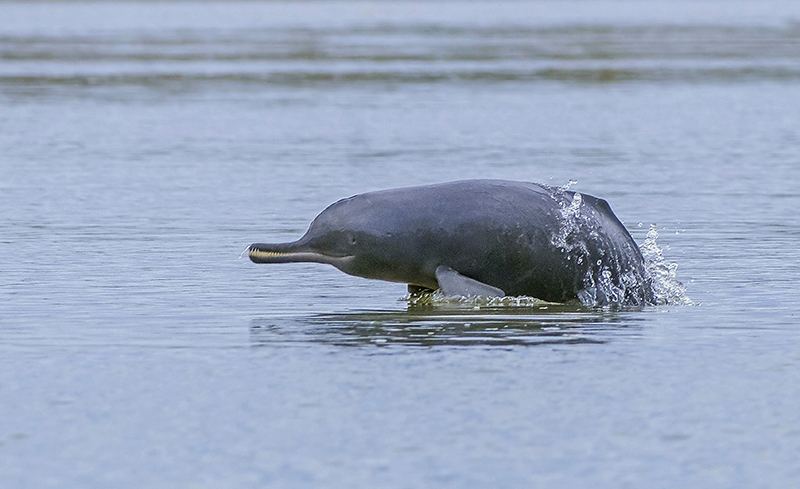

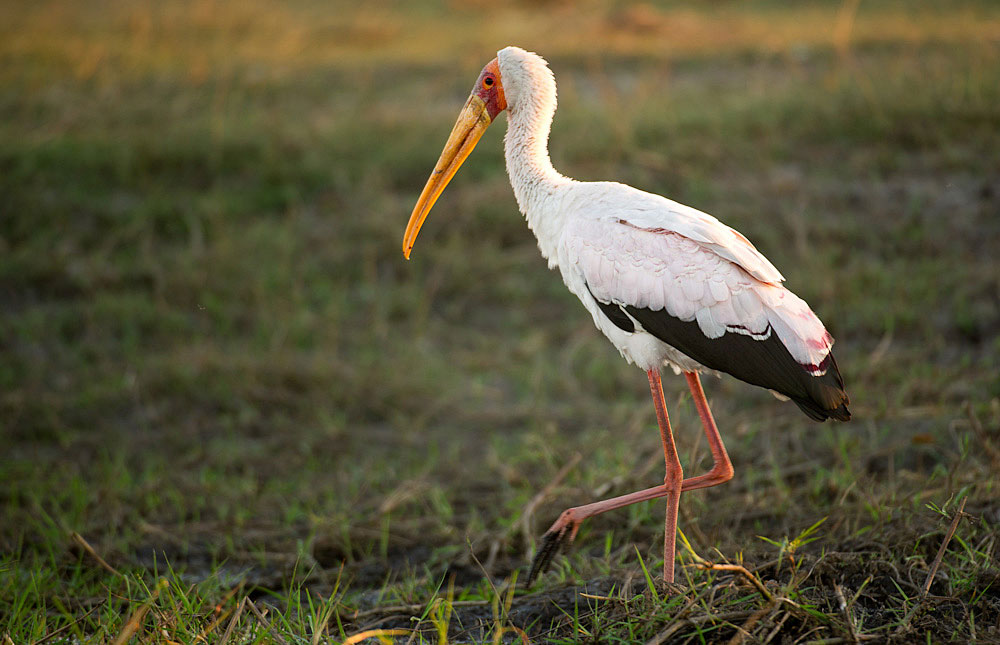
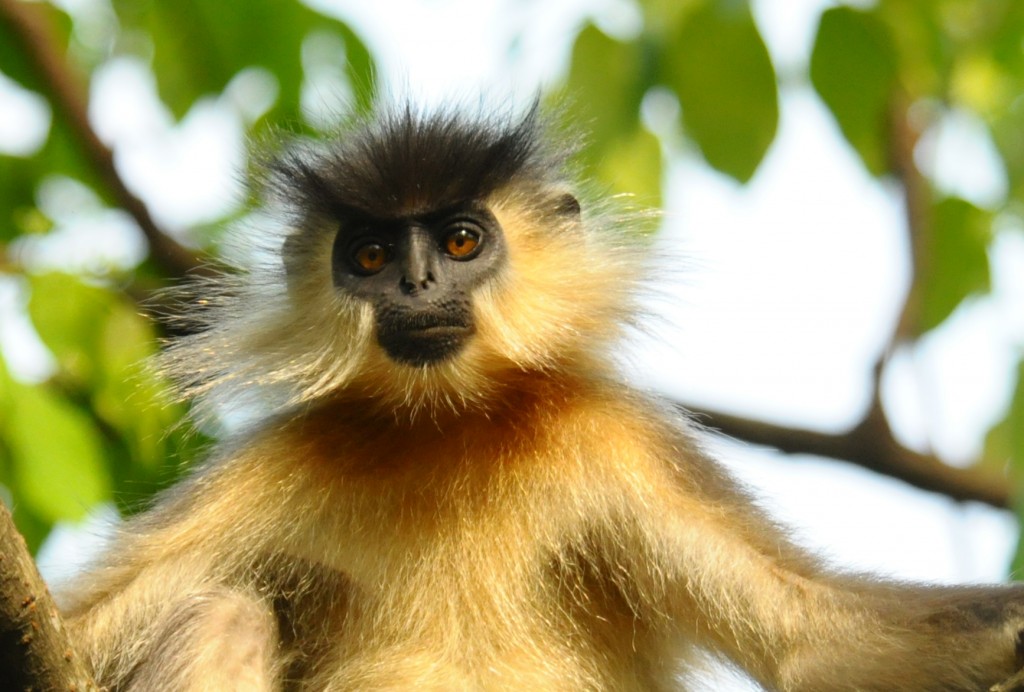
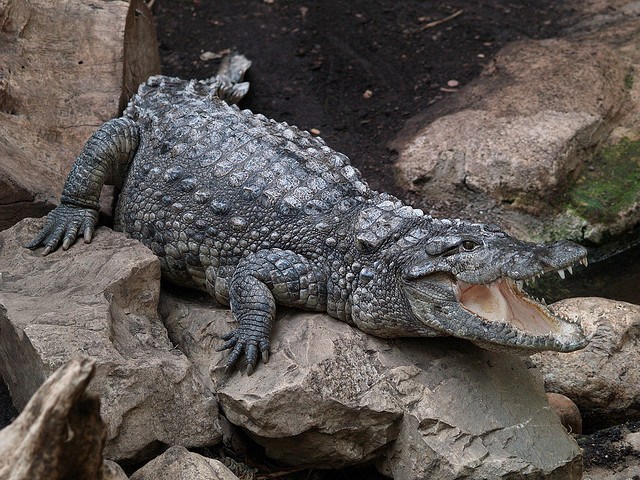
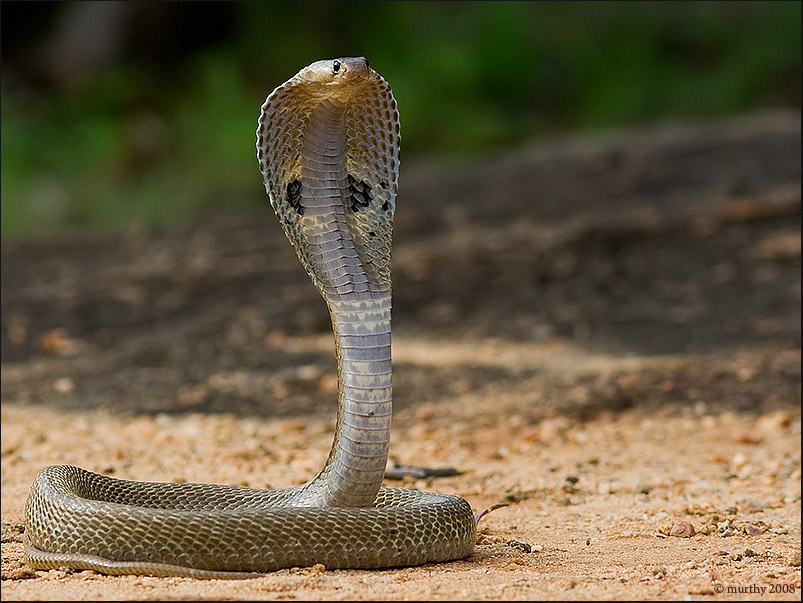


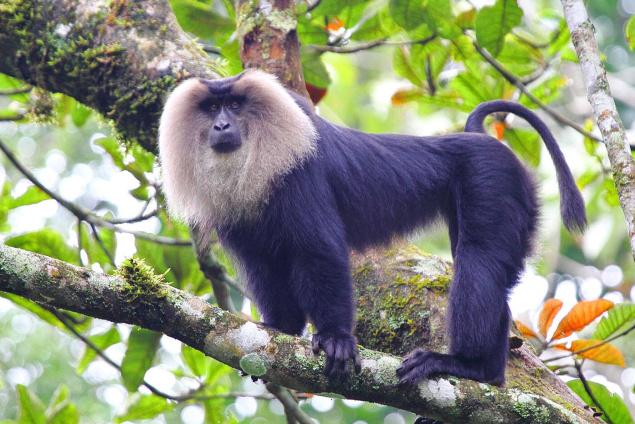
The book is an easy read and it’ll leave you with a much better understanding of your environment. So, please find time to read it.
The perils of being an Environment Journalist

Bahar Dutt is an environment journalist and a conservation biologist. She has done some serious conservation work in India and around the world. In her book, she describes the challenges faced by environmental journalist, such as tight budgets, pressure from the producer to dramatize the issue, strict deadlines and locating animals in dense forests, vulnerability to zoonotic diseases , travelling to inhabitable places and not falling sick, to list a few. After all the work, they are often labelled as anti-national or anti-developmental.
Modification of ‘The Road Not Taken’ by Robert Frost
I wrote this poem to describe how I feel about Sustainable development:
Two roads diverged into the woods,
One, development,
Another, Environment,
I wanted to travel neither,
As they both are extreme in their own ways,
So I went straight,
It was no road,
An unexplored territory, a tough terrain,
The sustainable development, as it is often called
And that made all the difference.

 Contemporology
In city for every flat or house, the govt immidiately provides water connection and drainage whereas in village such facilities are unheard…why such discrimination? In the guise of development…the environment is abused .it’s an important topic.
LikeLiked by 1 person